(2013)
There’s nothing like accidentally posting a random collection of notes to your blog and then having to go into all the social media sites and deleting it. This didn’t happen when this stuff was all analog, with an analog pen and analog paper and analog edits and analog scratching out and analog illegibility. Not to mention the lost art of margin doodling. Times were simpler then. Messier, but simpler. I almost miss ink stained hands.
I have a whole box full of analog words like that. Page after analog page. I like looking at the edits. The sentences lined out and rewritten in the margins.The paragraphs lifted up and dropped onto a whole other page. Sometimes there are entire pages scratched out that I really like now. This was a much younger brain, I wonder what it thought when it saw this stuff. And this was before email, before instant messages, before texting and tweets and Facebook posts. Before the comments sections on news sites. Before blogging. This was a different universe. In that universe none of you people would be reading this. In fact none of you would have read anything I wrote unless you picked up a West Coast Review of Books or an obscure rock zine or two.
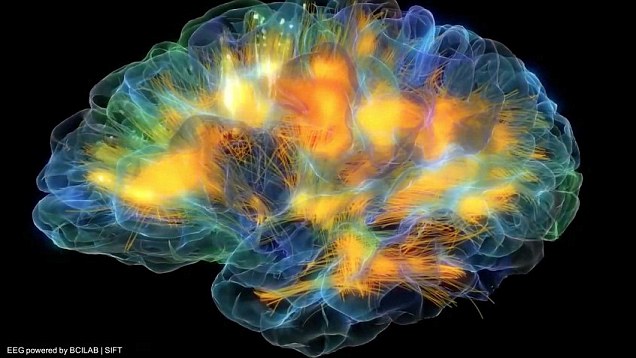
But that universe was pure creativity, a lab, a mass of failure, the occasional gem. Rhymes even. Certainly a lot of epilepsy. I keep thinking I ought to drag that box out of the closet and zap some of that stuff into the digital universe. But there’s so much. It’s a helluva lot of work, transcribing. And it feels weird going back in time like that. You begin to feel the way you felt decades and decades ago. That fresh, unwrinkled skin. The raging testosterone. The stupidity, on one hand, and then all those brain cells long since gone. What would it feel to be dropped into my twenty-five year old body with a brain a quarter again as big as mine now? Would it be noticeable? How could it not be? Like moving into a sprawling ranch house from a two bedroom apartment. All this snuggly comfort would be gone in all those rooms, but think of the views you’d have. Views you’d given up as your life got smaller, narrower, quieter. Even if the brain is only 15% smaller in volume, there are all sorts of synaptic paths you’ve abandoned. Like that big ranch house full of nooks and crannies you no longer use. A back door you haven’t opened in decades. The kids’ room, left as it was. A garage stacked with inaccessible boxes full of things you forgot you ever had. Neurons have settled into comfortable patterns. Some are passed by, ignored. Some have drifted into other areas of responsibility. Much has been sorted into piles, some you need, and some like those boxes in the garage. You just don’t get excited about so much anymore, not like you did when you were in your twenties, because your brain is so set in its sensory and concept reception ways. It’s gotten comfortable, in sort of the cognitive equivalent of a favorite chair, watching old movies.
Our brains are at the maximum size in our twenties…after that the brain doesn’t bother replacing the cells–neurons and glia both–it doesn’t think are necessary. We don’t have a choice, it does it for us, it economizes. Such a shame. We’ll never know exactly what we’ve lost, but we know we lost something. I lost all those analog thoughts and memories. I’d love to have them back. Or maybe I don’t. Digital is easier, editing so simple. Mistakes so easily hidden. Things, worthless or not, so easy to save. I guess that’s a good thing.
So I’ll put off pulling out that box again and live in the now. It’s easier that way. As much as I reminisce about the analog universe, this digital one is much easier, while it lasts. Civilization is on the cusp of the next step. You can feel it. Something beyond this even, something beyond the written word. And people like me will be museum pieces then. Historical oddities. We wrote. You what? Wrote. What was that? This. That? Yeah this. Why?
Why? I have no idea why. We just did.


 Brick's Brain